
March theme: Rewilding

Each month of 2025 will have a theme that guides my outdoor explorations and my reading.
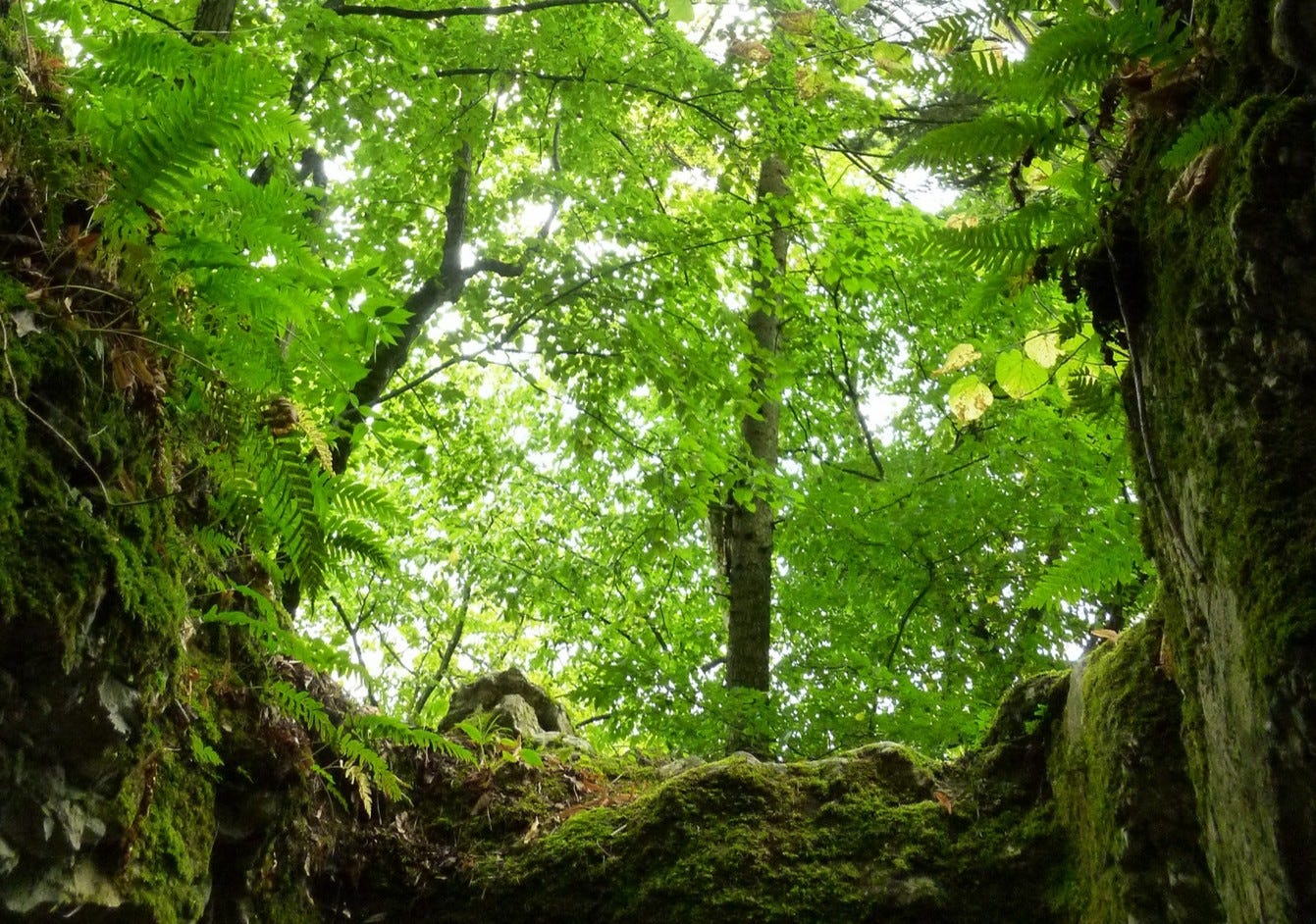
Hi readers, Happy March! Over the past few weeks, I have wondered a lot about the relationship between humans and nature. For example, which landscapes feel “natural” to us (I’ve also discussed this with some of you here on Substack!)? What implicit value judgements do we make when restoring or conserving ecosystems? I have also noticed lately that, even though I spend a lot of time outdoors, something is lacking when I just walk on human-made trails, sit on human-made benches, wear my human-made weatherproof clothes... So, for this month, I’ve picked a theme that ties in with these topics:
Rewilding
According to Wikipedia, “Rewilding is a form of ecological restoration aimed at increasing biodiversity and restoring natural processes. It differs from other forms of ecological restoration in that rewilding aspires to reduce human influence on ecosystems.” The term is also used in the context of human rewilding – getting closer to nature again, connecting with our instincts.
I have a vague idea of the concept of rewilding from articles about conservation and a few scientific talks I’ve joined. But there is a lot more to find out – particularly because the definitions people use seem to vary quite a bit! What I will do this month:
Read about rewilding (who would have guessed!)
Take an online class
Try out “human rewilding” ideas
Before absorbing a lot of information, I wanted to reflect a bit on what I perceive as “wild”. I would be very curious to hear what you think about these questions too!
What is a “wild” place (for me)?
A place where I do not feel human presence. A place that feels like it isn’t controlled by humans – that does what it wants. A place that might feel a little intimidating because the safety of human comfort is absent.
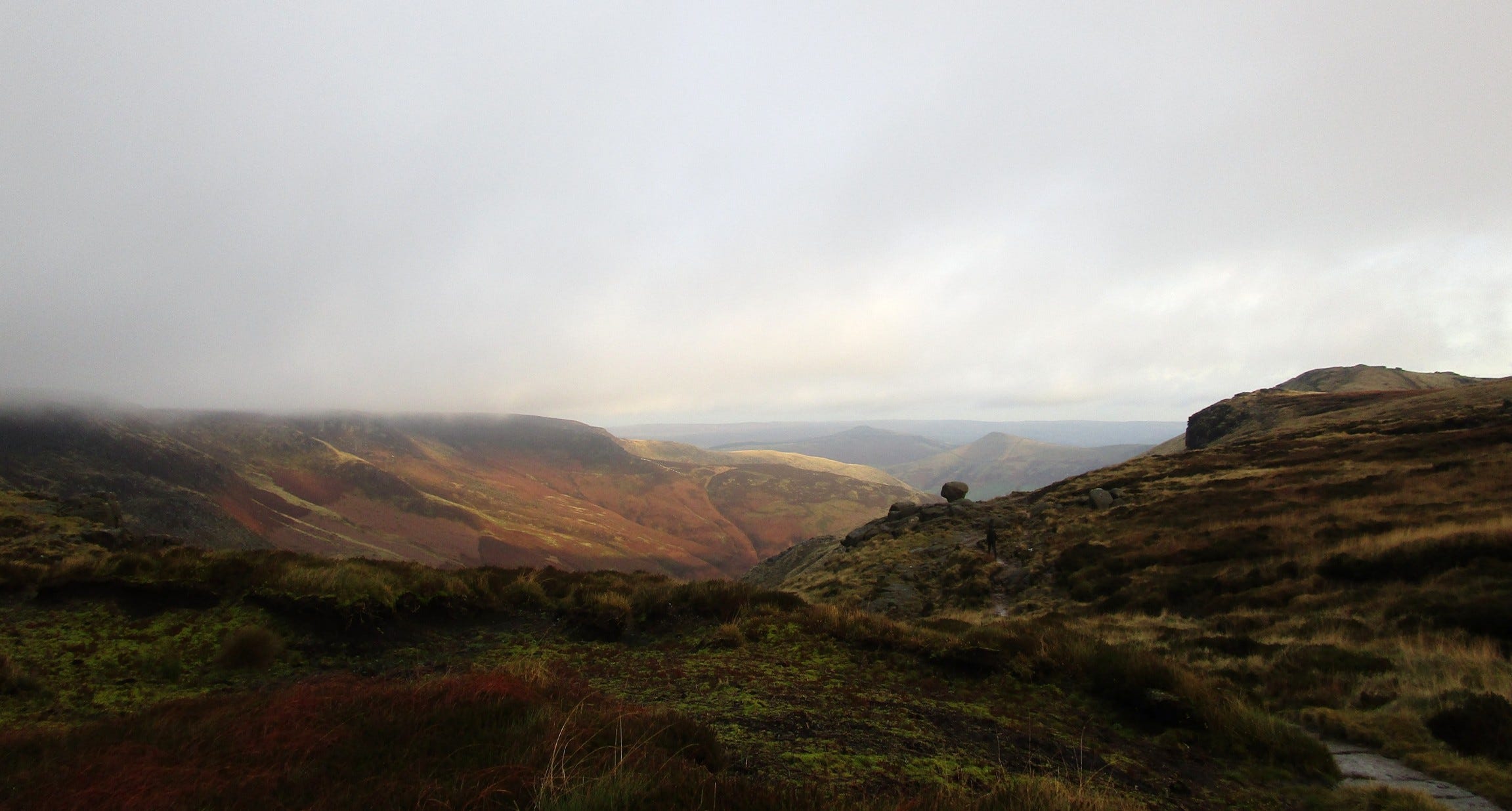
However, I’ve realised that a feeling of wilderness might not align at all with how human-controlled a place actually is. I’ve visited moorland places in the UK, which felt quite wild to me – windswept hills far from roads and buildings, with only small trails and no people, where you could easily get lost. Yet later I found out that these landscapes are entirely “artificial”: If left to themselves, they would become forests. Plant growth is kept low by sheep grazing – a main reason is to enable recreational grouse shooting. In my brain, what I thought was “wilderness” turned into something artificial in an instant. Most landscapes across Europe are to some extent managed or affected by humans, and maybe the more we know about that, the less we will be able to find wilderness.
What is the wildest place I have ever been to?
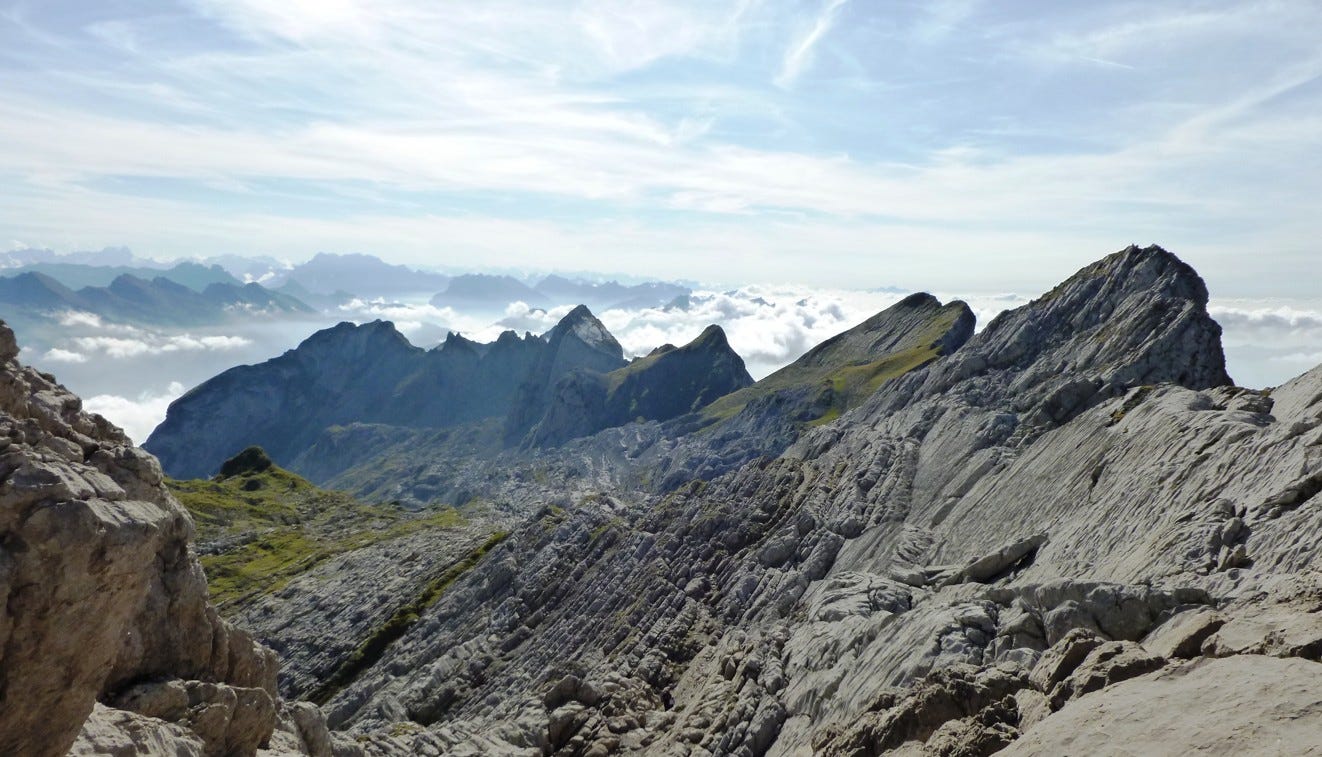
I have lived and travelled mostly within densely populated areas of Europe where true wilderness is relatively rare. Maybe some of the wilder places I’ve visited are remote mountain locations in northern Norway, where human population density is low and the landscape is dominated by rocks, glaciers, and small hardy plants. But the places I experience as the wildest are regions high up in the Alps, where little grows and there are mostly just rocks – hiking there alone feels like truly being away from everything. (These are also my favourite places in the world!)
What feels like rewilding on a personal level?
To me, there is a difference between connecting with nature and something “rougher” I associate with rewilding. It has to do with discomfort – mild discomfort can feel positive, because it can sharpen your senses and make you feel more alive. I sometimes need to remind myself to seek out that discomfort. There are everyday ways of doing that – I don’t need to live in the forest and only eat foraged foods for a year! For example:
Being out in pouring rain or a snowstorm. There is something satisfying about really feeling the “bad” weather (well, as long as you have the luxury of returning to a nice warm place afterwards).
Being in nature in the dark. I automatically pay more attention to the noises and am more alert.
Wild swimming – especially in spring, before the water in the lake gets as warm as a bathtub. And swimming in the rain – one of the best things there are!
Looking a wild animal in the eye. There are a lot of red deer in my area. Sometimes, when I meet one, we just stop and stare at each other for a minute, both on high alert.
Getting my hands dirty. The best walks always seem to be those where I need to scramble or end up in some thicket. And sometimes, the tiny gardening efforts I do on my balcony make me feel closer to nature than a long walk in the forest, just because I touch the soil.
Getting stung by nettles. Maybe this is a weird one, and it’s not that I like the pain – it’s one of those small, slightly unpleasant experiences that remind me that I am alive in an environment not focused on humans.
Walking barefoot. No explanation needed.
Have you explored the idea of rewilding? What feels “wild” to you?
Hannah
I am so delighted that you have chosen this particular theme for March, as "wilderness / rewilding" has also been on my mind for some time now and I am still thinking about it a lot. (I've also started to write a post about it, but it's not finished yet, so I think I'll put the text on hold for now and come back to it later.) Looking forward to your insights, experiences and reads - as always! :)
Many thanks for sharing. I lived/worked in the forests of Congo for a few years when I was younger, and for me it was all about knowing that you were many miles away from the nearest person. Miles and miles of forest between you and the next human being.